

Quality Control
Ensuring Quality and Reliability in Electrical Cable Manufacturing
Quality control is an essential part of the manufacturing process for electrical cables, as it ensures that the cables meet regulatory requirements and perform reliably in their intended applications.
Quality Control Practices
Raw material inspection
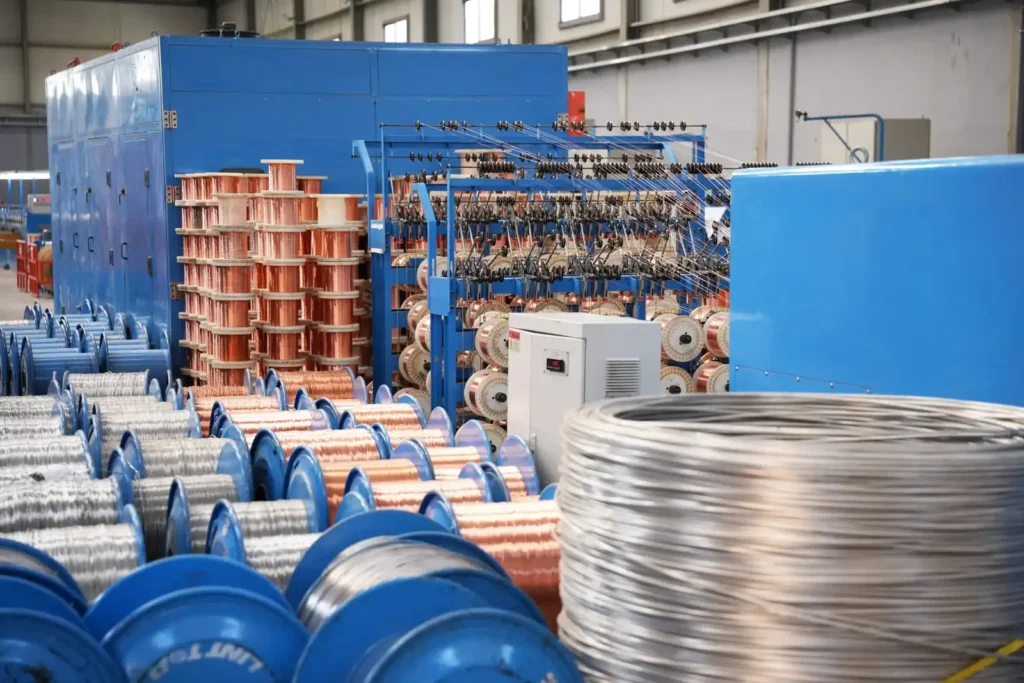
Quality control begins with the inspection of the raw materials used in cable manufacturing, such as copper or aluminum wire and insulation materials. The materials must meet certain specifications for purity, thickness, and other properties to ensure that the resulting cables will be of high quality.
In-process inspection
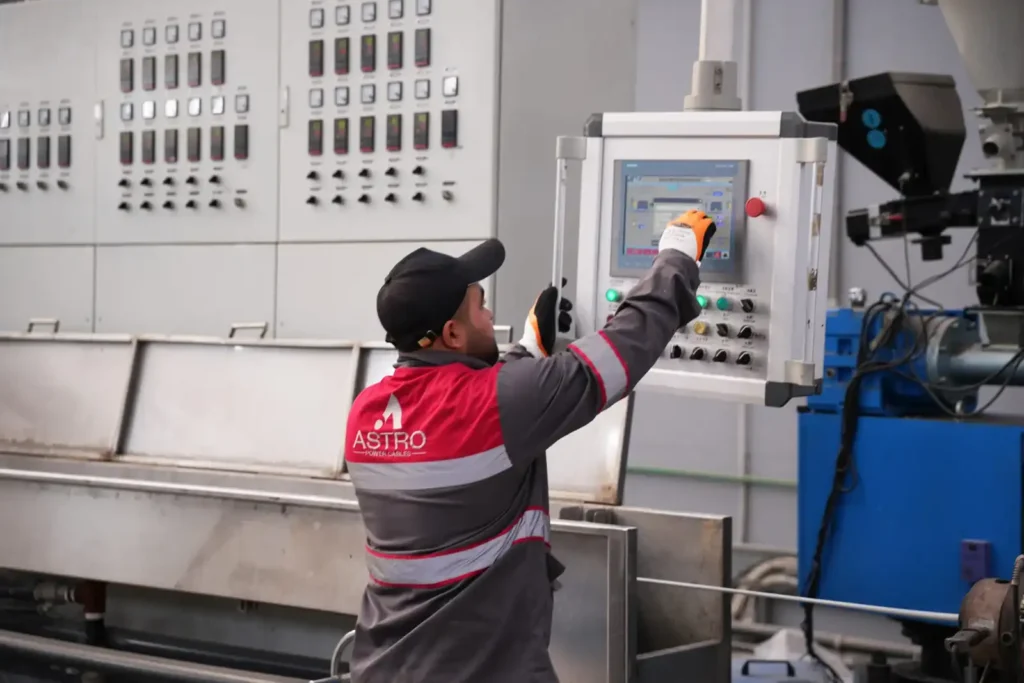
Throughout the cable manufacturing process, various quality checks are performed to ensure that the cables are being produced correctly. For example, technicians may check the tension on the wires as they are being twisted together or the thickness of the insulation layer.
Testing
Quality control begins with the inspection of the raw materials used in cable manufacturing, such as copper or aluminum wire and insulation materials. The materials must meet certain specifications for purity, thickness, and other properties to ensure that the resulting cables will be of high quality.
In-process inspection
Many cable manufacturers have implemented quality management systems, such as ISO 9001, to ensure that quality control processes are consistently followed and documented.
Quality Control Practices
Raw material inspection
Quality control begins with the inspection of the raw materials used in cable manufacturing, such as copper or aluminum wire and insulation materials. The materials must meet certain specifications for purity, thickness, and other properties to ensure that the resulting cables will be of high quality.
In-process inspection
Throughout the cable manufacturing process, various quality checks are performed to ensure that the cables are being produced correctly. For example, technicians may check the tension on the wires as they are being twisted together or the thickness of the insulation layer.
Testing
Quality control begins with the inspection of the raw materials used in cable manufacturing, such as copper or aluminum wire and insulation materials. The materials must meet certain specifications for purity, thickness, and other properties to ensure that the resulting cables will be of high quality.
In-process inspection
Many cable manufacturers have implemented quality management systems, such as ISO 9001, to ensure that quality control processes are consistently followed and documented.
Commitment to Quality and Compliance
Our quality control process ensures that our cables meet customer expectations, maintain high product standards, and comply with international safety regulations such as the NEC (National Electrical Code) in the U.S. and IEC (International Electrotechnical Commission) standards globally. All cables are tested and certified by independent organizations like UL (Underwriters Laboratories) or Intertek. We also follow environmental regulations, including the EU’s RoHS directive, by avoiding hazardous substances in our manufacturing. Comprehensive documentation is maintained to demonstrate compliance with all relevant standards.
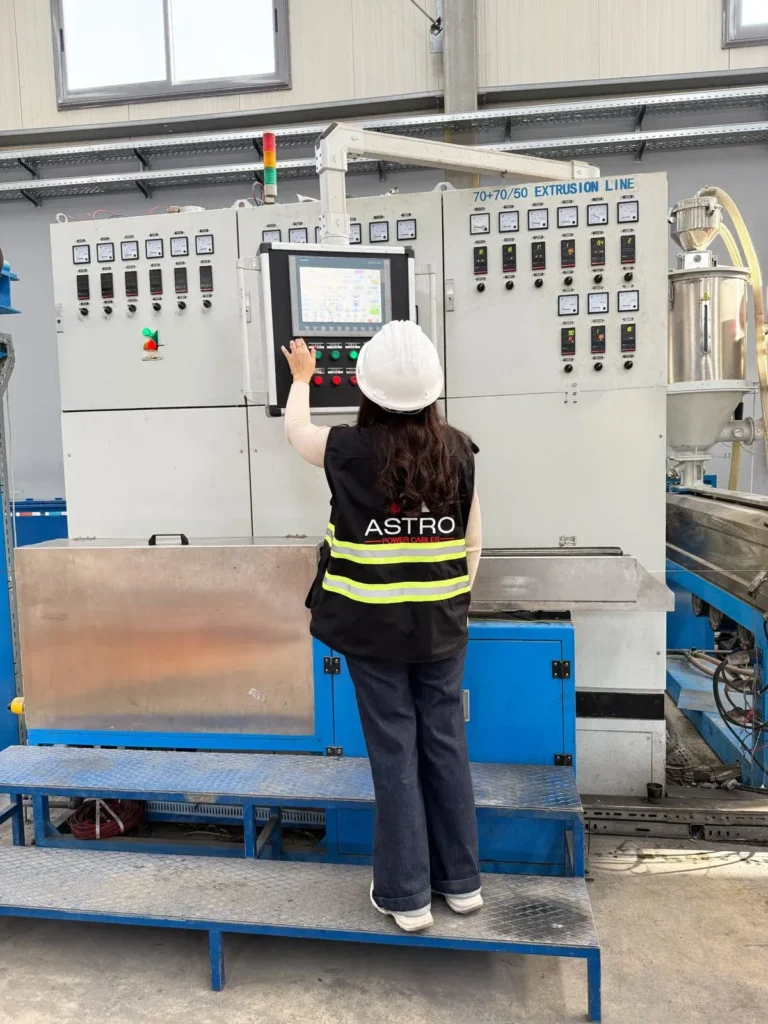
Testing is conducted at every stage of the cable manufacturing process including raw material inspection, in-process checks, and final product testing to ensure compliance with quality and safety standards.
Testing is conducted at every stage of the cable manufacturing process including raw material inspection, in-process checks, and final product testing to ensure compliance with quality and safety standards.
Our quality control tests
Here we check the electrical continuity of the cable, ensuring that there are no breaks or interruptions in the conductive path.
Here we measure the resistance of the insulation material surrounding the conductors, ensuring that it is not compromised and that the cable is safe to use.
Here we apply a high voltage to the cable to ensure that it can withstand the voltage for a certain period without breakdown or damage.
Here we expose the cable to a range of temperatures to ensure that it can withstand environmental changes without damage.
This may include tests such as tensile strength testing, flexing testing, and abrasion resistance testing, to ensure that the cable can withstand physical stresses and strains without damage.
Here we determine the cable's resistance to ignition and propagation of flames, ensuring that it is safe to use in the intended application.
This may include tests for resistance to chemical substances or exposure to moisture or other environmental factors.